
The Case of the Handshake
An ancient symbol facing down fear
Every case begins with a clue. In this one, the clue is hiding in a deceptively simple word: custom.
In April 2020, as the world moved through one of the gravest health crises in recent history, Anthony Fauci, then director of the U.S. National Institute of Allergy and Infectious Diseases, made a statement that drew attention less for what it said than for what it implied.
As a society, just forget about shaking hands. We don’t need to shake hands. We’ve got to break that custom. Because as a matter of fact, that is really one of the major ways that you can transmit a respiratory-borne illness.” — Anthony Fauci, April 2020
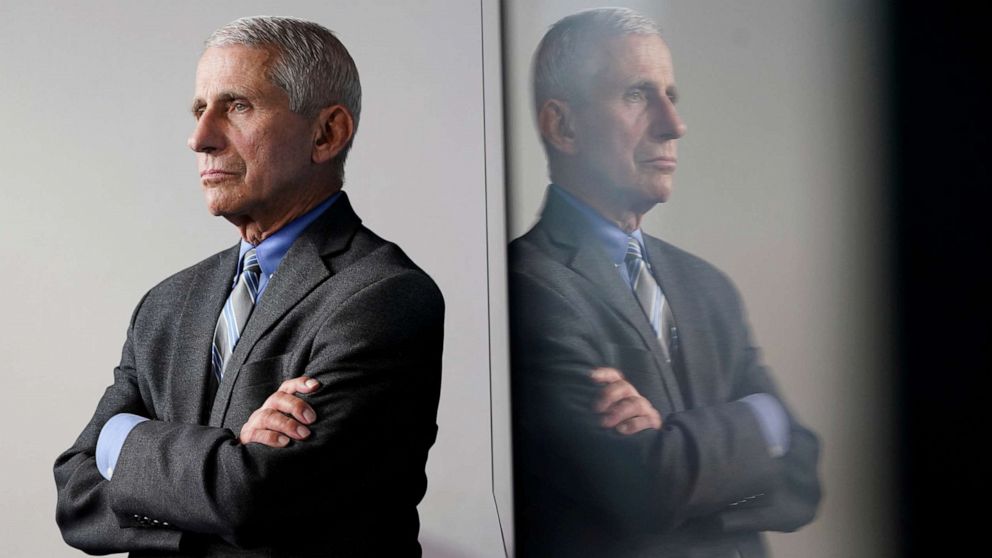
Kevin Lamarque/Reuters
There was something larger in that sentence than a public health recommendation. It was a call to abandon a custom. And customs are rarely just customs. They are the living archives of a society.
The handshake looks like such a small thing — automatic, almost thoughtless, a gesture we make without a second glance. And yet few symbols have crossed as much time carrying as much meaning.
During the most intense months of the pandemic, governments around the world urged people to avoid shaking hands. A gesture that had represented closeness, trust, and welcome for centuries suddenly became linked to an invisible threat.
For the first time in generations, an ancient gesture was put on hold. And here’s the curious part: the handshake was never just a greeting. It was always a symbol — one of humanity’s oldest.
Long before contracts, signatures, or official documents existed, an open hand already sent a message: there’s no weapon hidden here. It was a gesture of peace.
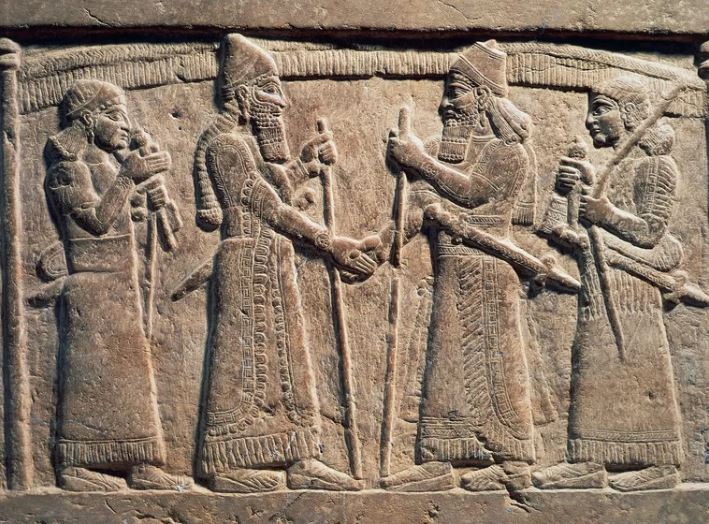
Across history, the gesture moved through civilizations and kept showing up at decisive moments in human life. On vases, tombstones, and stone slabs from the ancient world, we find handshakes carved into wedding scenes, pacts between gods, young warriors setting off for battle, and the newly dead arriving in the afterlife.
In classical literature, the gesture appears in works like the Iliad and the Odyssey. The extended hand accompanied alliances, farewells, reconciliations, encounters. It said: I am standing before you. I am willing to enter into a relationship with you. I recognize your presence.
There may be an even deeper layer to the gesture. In a 2015 study, researchers in Israel observed hundreds of handshakes between strangers and noticed something odd: a number of participants brought their own hand up to their nose right after greeting someone.
The researchers’ hypothesis was that a handshake might involve an unconscious form of chemical communication. A kind of information exchange through bodily signals, not unlike mechanisms seen in other animals.
What looked like a purely social gesture may have been carrying older, more primal layers of human interaction all along.
Then came 2020, and something extraordinary happened. The gesture itself didn’t change. A hand was still a hand. The motion was still the same motion. What changed was the meaning attached to it.
A symbol tied for centuries to trust came to represent danger. Closeness came to be read as threat. Contact came to be read as carelessness.
This is one of the most powerful things about narratives: they don’t just change opinions. They can change what things mean.
Semiotics teaches us that symbols don’t carry a fixed, permanent meaning. They’re read through the lens of a cultural context. The same hand that, in a peace ceremony, stands for reconciliation was read as a risk during a health crisis. The form stayed the same. The meaning was rewritten.
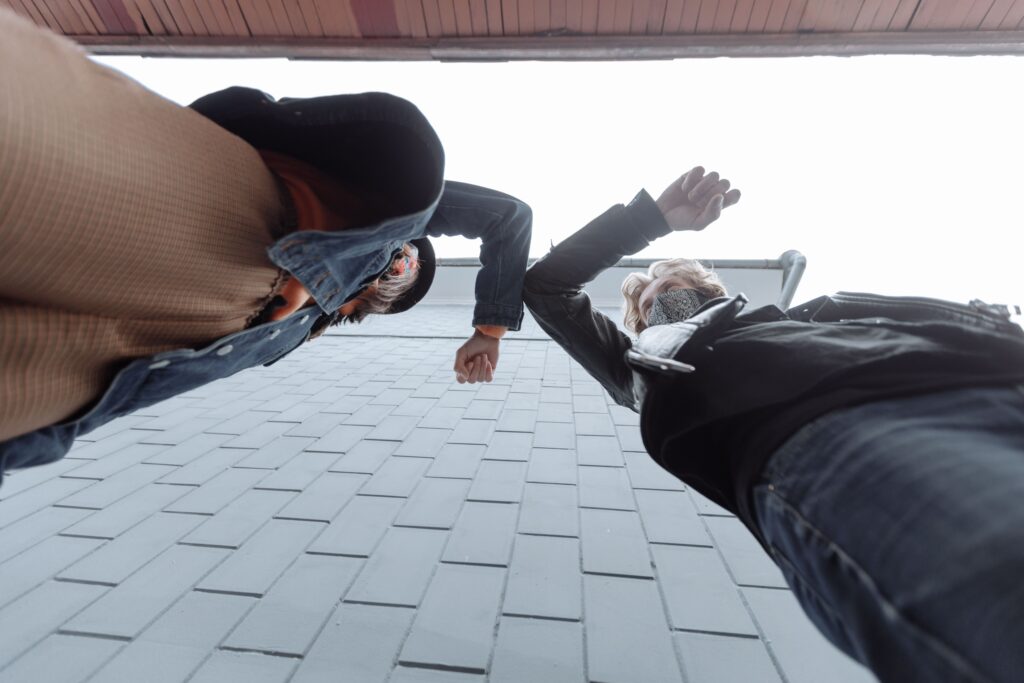
Fauci’s words remain symbolic for a reason. He wasn’t just talking about avoiding physical contact for a while. He talked about “breaking that custom.” And breaking a custom is about far more than adjusting a routine. It means reaching into something that belongs to a society’s collective memory.
Some customs disappear because they stop making sense. Others fade out because new generations stop attaching the same value to them. But there’s something singular about watching an ancient custom get questioned in the span of a few months, almost by decree.
In a period marked by intense polarization and extreme isolation, it wasn’t only the handshake being put up for debate. It was the very idea of closeness.
What does it mean to trust someone? What does it mean to reach toward another person? What does it mean when a gesture that, for thousands of years, communicated the exact opposite of fear suddenly can’t?

Years later, the handshake is back in daily life. It survived. But the sentence remains on record: a marker of a moment when even the oldest symbols suddenly seemed negotiable.
Maybe that’s the real case to investigate. Not just the fate of one gesture, but the speed at which a society can rewrite the meaning of something that once seemed permanent.
Symbols don’t disappear only when they stop existing. Often, they disappear first when they stop meaning what they always meant.
Most people see nothing more than a hand being extended. Few notice the entire story standing behind it.
Now, looking back: do you remember the moment shaking hands stopped feeling natural?