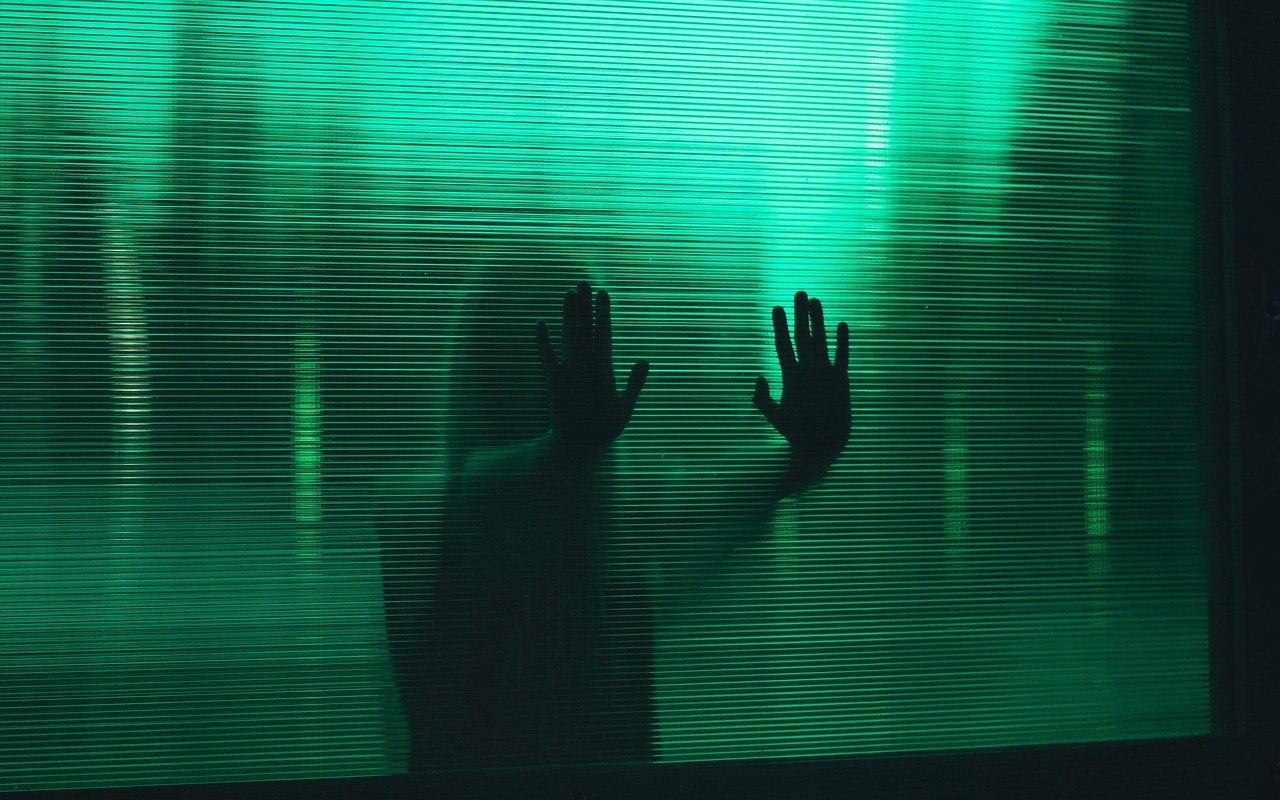
Mean World Syndrome
Do You Really Live in a Dangerous World — or Have You Just Been Watching Too Much News?
With so much violence dominating the headlines, it’s easy to believe the world is falling apart. But is it really? Or are we simply immersed in a constant narrative of fear, repeated day after day, without even realizing it?
The answer lies in a concept developed by George Gerbner as part of Cultivation Theory: Mean World Syndrome.
What Is Mean World Syndrome?
Mean World Syndrome is a psychological effect in which people who consume large amounts of violent or sensationalized media come to believe that the world is more dangerous, violent, and threatening than it actually is.
It doesn’t necessarily depend on a person’s direct experience, but rather on the frequency and intensity of their exposure to images and narratives of fear, particularly through television and social media.
Television and the Cult of Fear
News broadcasts, crime shows, emergency-response reality programs, action movies, and true crime. The media knows that fear sells. And because airtime is limited, what gets the most attention is what shocks, frightens, or provokes outrage.
Through Cultivation Theory, Gerbner warned that the more time people spend watching this kind of content, the more likely they are to perceive the real world as an extension of what they see on screen.
Fear Without a Basis in Reality
Have you ever heard someone say, “You can’t even go outside anymore,” despite living in a relatively peaceful neighborhood?
Or parents who won’t let their children play outside because of something they saw on the news, rather than something that actually happened to them or someone they know?
This is one manifestation of Mean World Syndrome: people internalize a constant sense of danger, even when their own experiences do not justify that level of fear.
Social Media: Fear in Real Time
If television was once the primary vehicle for this process of cultivation, social media has amplified the effect in real time. Live crime coverage, robbery videos, and sensationalized headlines spread with remarkable ease — often without context, accountability, or a moment to pause and reflect.
You watch, you share, and before you realize it, you begin to feel as though you’re in danger all the time. The bubble of fear keeps growing, and you can no longer tell whether your perception comes from personal experience or constant exposure.
How to Break the Cycle of Fear
The good news is that it is possible to recalibrate a perception shaped by constant exposure to fear. Here are a few practical steps:
- Diversify your news sources. Not everything has to come from television or your social media feed.
- Practice media hygiene. Reduce your exposure to violent and distressing content.
- Question alarmist headlines. The loudest voice isn’t necessarily telling the truth.
- Talk to people in the real world. Life beyond the screen is far more complex than the version presented by the media.
Fear as a Product
Modern media has learned how to sell fear as a product. It generates clicks, ratings, and engagement. But there is a cost: our mental well-being, our freedom to move around, and our trust in one another.
Mean World Syndrome is more than a media side effect. It is a symptom of a society increasingly convinced that the world is worse than it actually is.
Perhaps the most urgent question today isn’t “Who can we trust?” but rather: “How many times have I seen this story told — and what does it want me to feel?”
As long as fear remains profitable, the truth will remain obscured.
I choose to look beyond the headlines, deconstruct the narratives, and cultivate critical awareness.