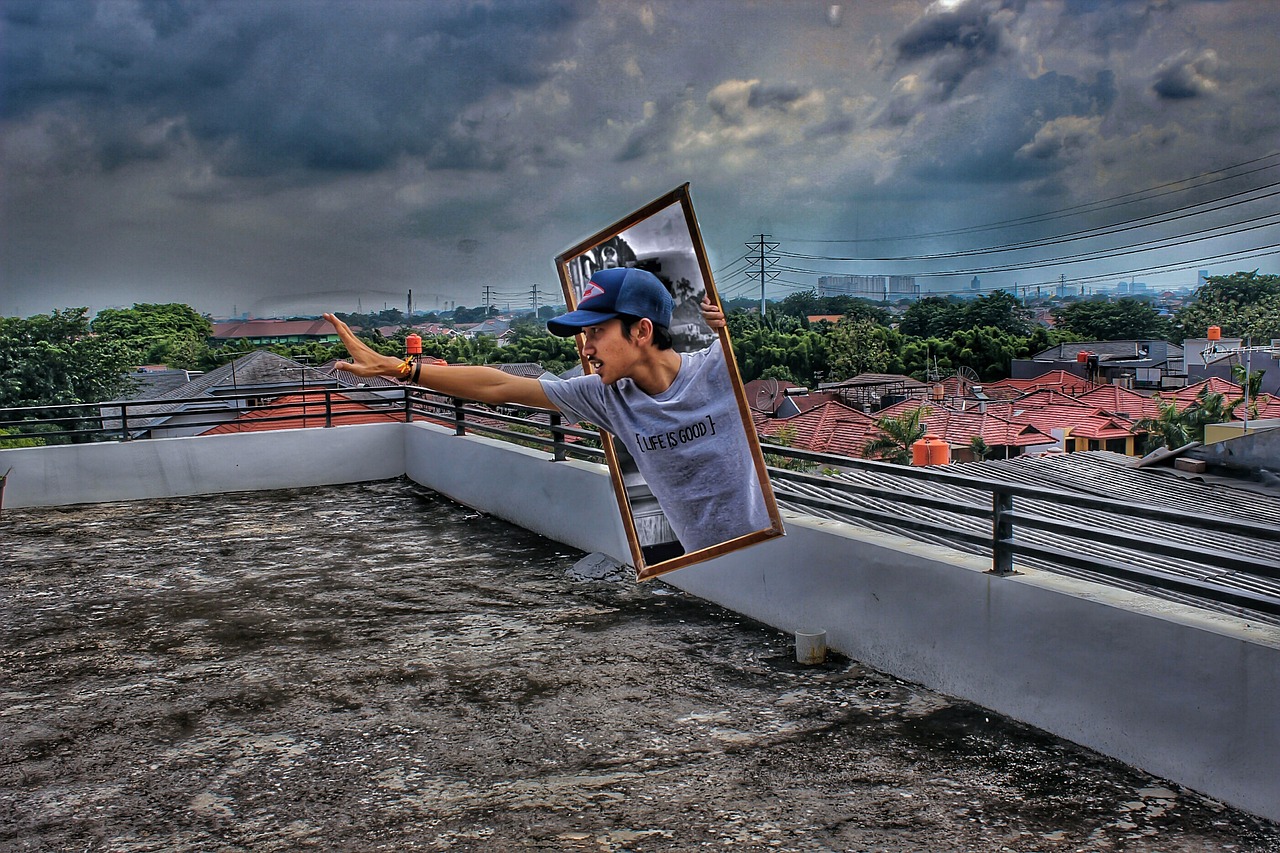
The Overton Window
How Extreme Ideas Become Socially Acceptable
Have you ever noticed how certain topics that seemed unthinkable just a few years ago suddenly appear in the news, television shows, music, and everyday conversations as though they had always been there? This doesn’t happen by accident. There is a powerful concept behind this gradual shift: the Overton Window.
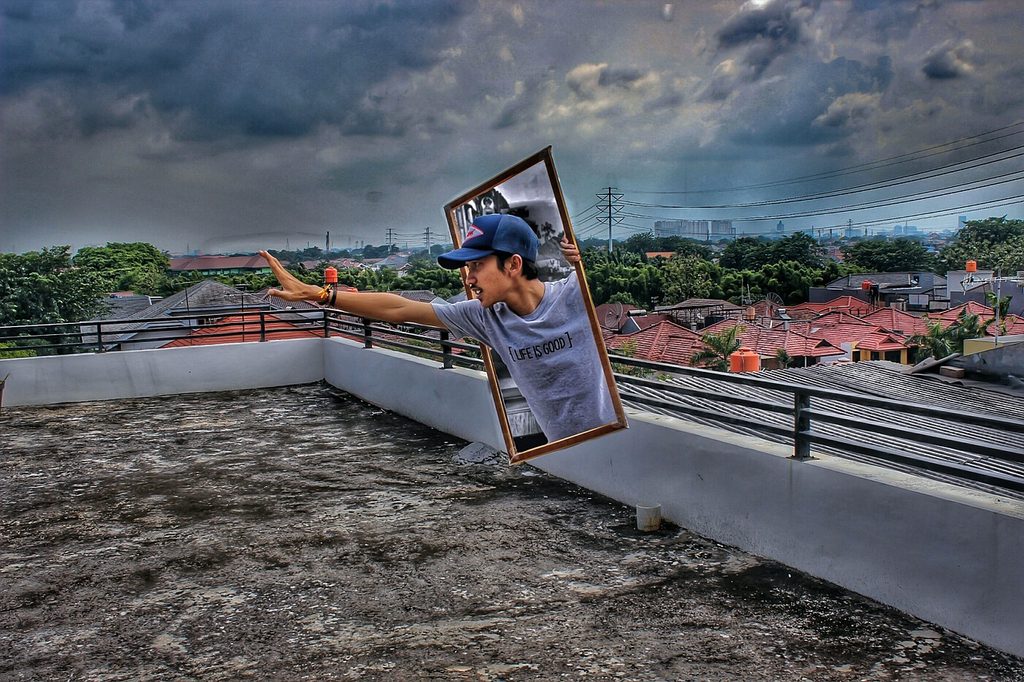
The “window” represents the range of ideas considered acceptable to public opinion at a given moment. Anything outside that frame is seen as radical, unthinkable, dangerous, or absurd. But what makes this concept particularly unsettling is that the window can move — and often does. Slowly, almost imperceptibly, what once seemed unacceptable becomes normalized. And what is considered “normal” today may have been viewed as an aberration yesterday.
Question rapid consensus. Pay attention to the issues that seem to emerge out of nowhere. Ask why certain causes are suddenly in the spotlight while others disappear into the shadows. — The window is moving, but you don’t have to move with it.
How Does It Happen?
The shift happens in stages. First, a marginal idea enters public discussion, sometimes through humor, art, or fiction. It seems harmless. Then it becomes a subject of debate. It gains exposure through documentaries, television programs, and podcasts. The immediate goal isn’t necessarily to persuade, but to familiarize. To make the idea feel ordinary. And once it no longer provokes shock, it enters the realm of what is considered “reasonable.”
Just like that, it has moved inside the window.

Those who seek to influence the Overton Window understand that society doesn’t need to be pushed all at once. All it takes is a gradual repositioning of the boundaries of what is considered acceptable, one millimeter at a time. And those who notice the shift are often ridiculed as “conspiracy theorists” or dismissed as alarmists. Meanwhile, the public gradually becomes conditioned to accept what once seemed unthinkable.
Who Controls the Window?
It is shaped by media outlets, entertainment, educational systems, and social networks. Not in a neutral environment. There are narratives, there are intentions, and there is a struggle for influence. Understanding this is essential if we want to read the world beyond the words.
The Overton Window reminds us that social acceptance is malleable, and whoever has the means to shape it holds enormous power. What are we accepting today that would have been unthinkable yesterday? And what is still being gradually introduced, prepared so that we will simply… accept it?
This is how society is shaped without realizing it. Not through shouting or decrees, but through subtle suggestions, charismatic characters, repeated jokes, and carefully planted narratives. Culture is the battlefield, and whoever controls it doesn’t need tanks.
The Overton Window is more than a theoretical concept. It offers a framework for understanding how the boundaries of public debate can shift over time. What we accept as “normal” today is often not the result of independent reflection, but of repetition and familiarity.
That is why, now more than ever, we need to learn to see again — to question what is being presented as “natural” or “progressive.” Because not everything presented as progress is necessarily an improvement. Sometimes, it is simply an old form of control wearing a new coat of paint.
While they move the window,
I watch who — or what — is pulling the tracks.